On this page
Crypto scams in Ireland almost always follow the same shape: someone you do not know, or someone pretending to be an organisation you do know, persuades you to send money to a platform or wallet they control. Then the money cannot be pulled back. The currency changes, but the techniques are old ones: urgency, flattery, fake proof and a believable-looking website.
We did not find reliable, current Irish figures broken down by crypto, so this page quotes none. What it offers instead is what the Central Bank of Ireland and the Gardaí say, the patterns that recur, and a routine you can run in five minutes before you pay anything.
What the official sources say
The Central Bank's scams page uses a four-step test: Stop, Assess, Fact-check and Expose (report). It notes that investment scams "could be in anything from shares or bonds to cryptocurrency", and warns that scammers clone legitimate firms, so finding a real firm's name is not proof that you are dealing with it. It also says the Central Bank will never contact you asking for money, your personal data or your PPS number.
The Central Bank's crypto consumer page makes two points that apply even when nobody is lying to you: consumers could lose all their money, and crypto is not protected by any compensation scheme. The Gardaí's fraud page directs victims to report to their local station, and explains that the Garda National Economic Crime Bureau assesses complaints, with investment scams often advertised on social media. The Garda and Central Bank scam pages are both linked at the end of this article.
The patterns, one by one
Fake investment platforms. A slick website or app shows live charts, a dashboard and "profits". The balance is a number on a screen. A first small withdrawal may succeed, which is bait. When you try to withdraw a large sum you are told to pay tax, a verification fee or an "anti-money-laundering deposit". Those are the scam continuing.
Romance-led "pig-butchering". A stranger messages you, often by text or a dating app, and builds a relationship over weeks. Eventually they mention a trading tip or a platform that has made them money. The slow build is the point: by the time money is requested, you trust them.
Fake exchanges and clones. A site that copies the look and domain name of a well-known exchange, with a misspelling or a different ending. Search ads can place these above the genuine result. Always reach exchanges through a bookmark you made yourself, or the app store listing linked from the company's own site.
Impersonation. A call, text or email claims to be your bank, Revenue, the Gardaí or the Central Bank, says your account is compromised, and tells you to move money into crypto "for safekeeping". The advice from the Central Bank applies: hang up and phone the organisation on a number you find independently. No genuine bank asks you to buy crypto to protect your money.
Phishing for seed phrases. Your seed phrase (the 12 or 24 words) is the key to a self-custody wallet. Anyone who holds it controls the funds. Fake wallet-support chats, fake "wallet validation" pages and fake software updates all aim to get it. No real wallet company, exchange or support agent will ask for it. Our guide to crypto wallets in Ireland covers how to store it properly.
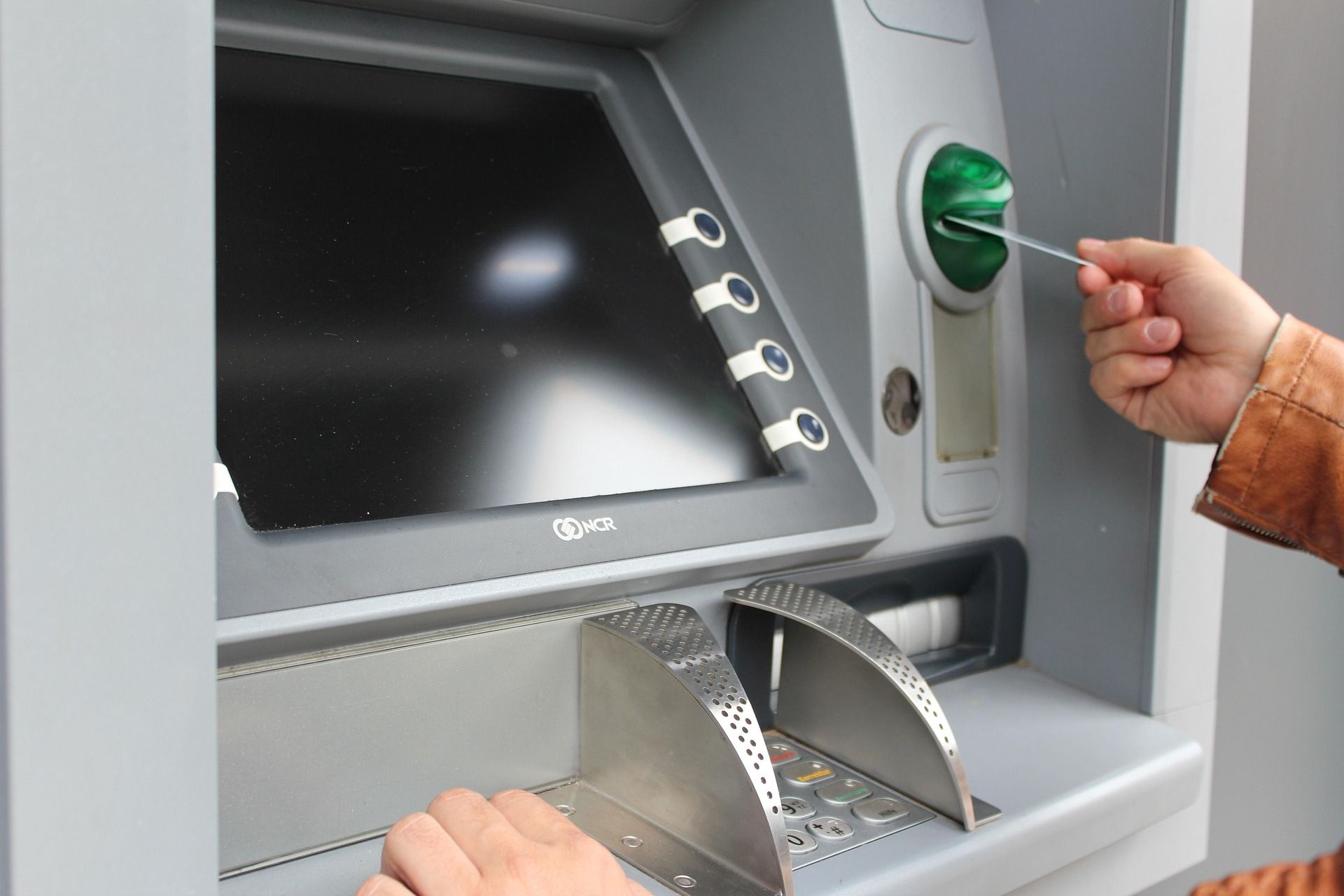
Fake ATM and phone-caller combinations. A caller tells you to withdraw cash and deposit it at a Bitcoin ATM, giving you a wallet address or QR code to scan. That pattern is widely reported abroad. We found no Irish statistics on it, and on 5 October 2026 we could not verify a working Bitcoin ATM in Ireland, as set out in our Bitcoin ATM guide. Any instruction to feed cash into a machine at someone else's direction is a red flag, whatever the machine.
Deepfake endorsements. An advert or video shows a well-known person promoting a platform or "guaranteed" returns. Faked video and audio are now cheap to produce. The CBI specifically warns about misleading crypto advertising, including through social media and influencers.
A five-minute verification routine
- Find the legal name.
The site's terms and conditions should name a company and a regulator. No named company is an answer in itself.
- Search the ESMA interim register.
Look for that exact legal entity, with its home country, authorisation date and the countries it serves. Ireland-based firms, such as Kraken's entities, show an Irish home state, while others such as Coinbase and Bitpanda are authorised elsewhere in the EU. Our page on authorised crypto firms in Ireland explains the difference.
- Check the warnings.
Search the Central Bank of Ireland's consumer pages, and ESMA's non-compliant entities file, for the firm's name. A missing warning is not clearance, but an existing one is decisive.
- Check the domain's age.
Use a public WHOIS lookup. A domain registered a few weeks ago that claims a decade of trading is not credible. Look for misspellings and unusual endings too.
- Go to the firm by your own route.
Type the address you got from the regulator register, or use an app-store link on the firm's own site. Do not follow a link from an ad, message or social post.
Passing all five does not make a platform good or its coins valuable. It only filters out the cheapest frauds. If a platform fails any step, stop. For more about the rules behind authorisation, see crypto regulation in Ireland.
Red flags that should end the conversation
Guaranteed or fixed returns, pressure to act today, a request to pay in crypto to unlock a withdrawal, a "manager" who contacts you by messaging app, instructions to lie to your bank about why you are sending money, and any request for your seed phrase or remote access to your device. Another quiet one: being told not to talk to family. Real financial firms do not need secrecy.
What to do if you have been scammed
1. Call your bank
Do it straight away, using the number on your card. Tell them it was a scam. Banks can sometimes stop or recall a payment that has not completed, and they may block further payments.
2. Report to the Gardaí
Report to your local Garda station. Bring transaction IDs, wallet addresses, the platform's web address, screenshots and messages.
3. Preserve evidence
Do not delete chats or emails. Save receipts, bank statements and the date and time of each payment. Write down a timeline while it is fresh.
Then tell the platform you used to buy the crypto, if it was a regulated exchange, since its fraud team may be able to flag the destination address. If the scam used your card or a bank transfer, ask your bank about its complaints process; where a bank has dealt unfairly with a customer, the Financial Services and Pensions Ombudsman handles complaints about regulated financial service providers, and has published crypto-related scam case studies. We could not confirm from the FSPO's own pages whether it has jurisdiction over a crypto provider's services, so do not assume it does. If you reached the scammer through a regulated provider's name, you can also report to the Central Bank.
Do not send more money to "unlock" funds, however plausible the reason. Change passwords on any account you used, move any remaining crypto to a new wallet if a seed phrase was exposed, and consider telling your family so that nobody else is targeted. Losing money to a scam may also affect your tax position, but that depends on the facts. Take advice from a tax adviser and read our overview of crypto tax in Ireland.
If your bank blocks or questions a genuine crypto payment, that is a separate problem that our guide to bank-blocked crypto transfers deals with.
What not to pay for
You should not have to pay a stranger to release your own crypto, to "verify" a withdrawal, to unlock a "frozen" account, to recover lost funds, or to receive a prize. You should not buy a "recovery licence" or "AML clearance certificate". Genuine exchanges deduct fees from your balance and do not ask for separate transfers to a personal wallet.
Staying ahead of it
Use a distinct email address and strong password for each exchange, switch on app-based two-factor authentication, keep software updated, and use only addresses you copy from a source you trust. When something seems too good, remember what the Central Bank says about crypto generally: you could lose everything, and there is no compensation scheme. For a broader view, see is crypto legal in Ireland, and for cash machines specifically, our notes on Bitcoin ATM fees and scams.
If you want to report a scam, start with the Garda fraud page and the Central Bank scams page.
Sources and further reading
Facts last checked 5 October 2026Published 5 October 2026How we research
Risk warning. Crypto-assets are volatile and you can lose all the money you put in. They are not covered by the Irish Deposit Guarantee Scheme. This page is general information, not financial or tax advice.